
In today’s fast-paced business world, electrical systems are the backbone of every operation. From lighting and machinery to computers and security systems, everything depends on a consistent and safe power supply.
Yet, many businesses only call an electrician when something breaks — and by then, the damage is often costly and disruptive.
That’s where preventive electrical maintenance comes in. It’s the key to avoiding breakdowns, protecting equipment, and ensuring your business runs safely and efficiently.
What Is Preventive Electrical Maintenance?
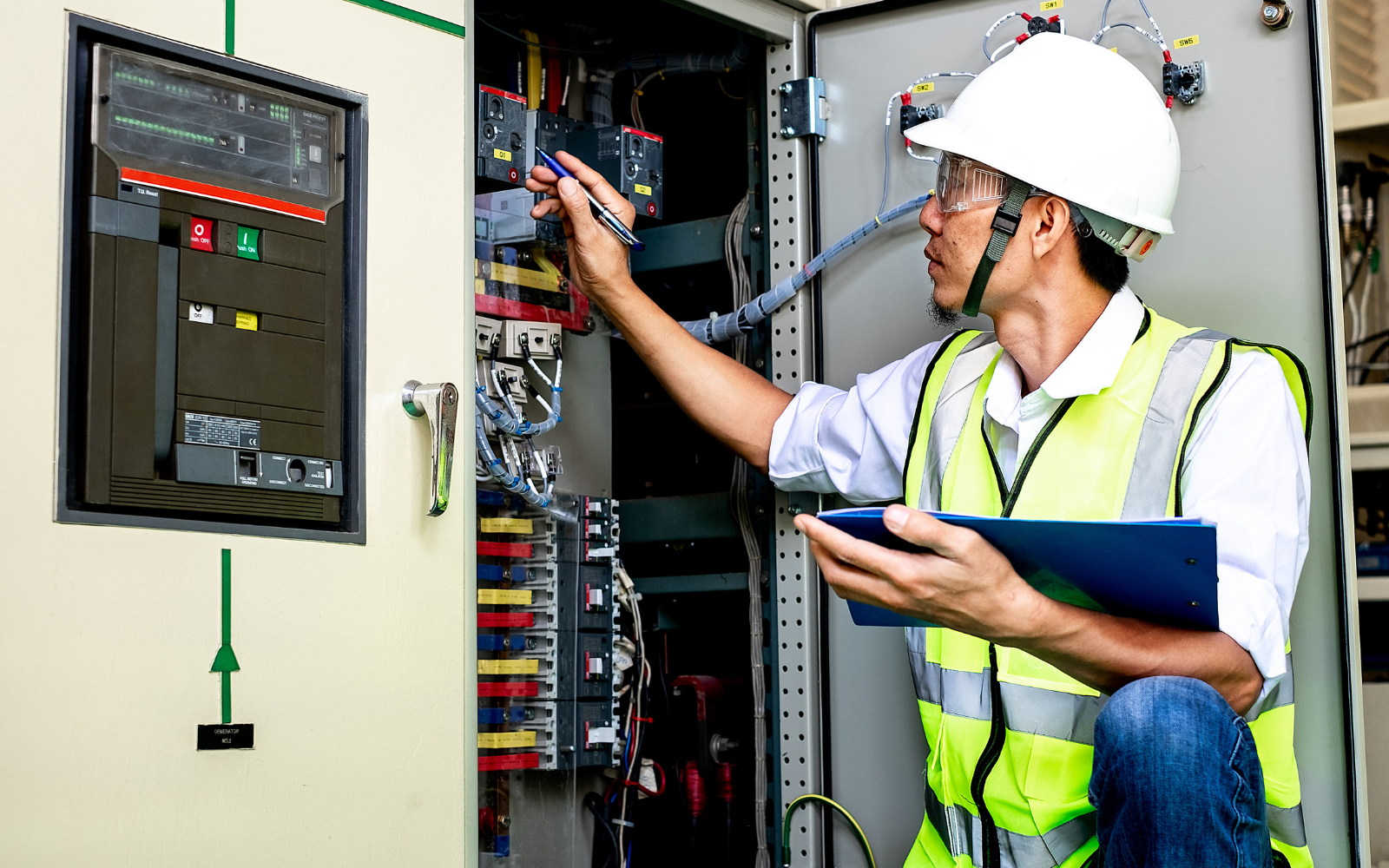
Preventive electrical maintenance is the regular inspection, testing, and servicing of your electrical systems before problems occur.
Instead of waiting for faults to disrupt your work, certified electricians perform routine checks to identify issues early — reducing risks, downtime, and repair costs.
This proactive approach keeps your business compliant with UK safety standards like the Electricity at Work Regulations 1989 and ensures peace of mind for both employers and employees.
Reduces Unexpected Downtime
A sudden power failure or electrical fault can halt business operations instantly. Downtime not only leads to revenue loss but can also damage your reputation with customers.
Preventive maintenance detects early warning signs such as loose connections, overheating circuits, or worn components fixing them before they cause outages.
Extends Equipment Lifespan
Electrical systems and machinery that are regularly maintained tend to last longer and perform better.
Regular servicing prevents voltage drops, short circuits, and overheating, allowing your electrical infrastructure to operate efficiently for years.
This saves your business from frequent replacements and expensive emergency repairs.
Ensures Workplace Safety
Faulty electrical systems are one of the leading causes of workplace fires and accidents in the UK.
By scheduling preventive inspections, you minimize the risk of electrical shocks, fires, and equipment failures.
It also ensures compliance with Health and Safety Executive (HSE) guidelines, protecting both your team and your assets.
Improves Energy Efficiency
Poorly maintained electrical equipment consumes more power.
Routine maintenance helps identify inefficiencies, such as overloading or outdated systems, and allows you to upgrade to energy-saving solutions.
This not only lowers your electricity bills but also supports sustainability goals — a growing priority for modern UK businesses.
Helps You Stay Legally Compliant
UK regulations require employers to maintain all electrical systems in safe working order.
Regular preventive maintenance ensures you meet compliance requirements such as:
- Electricity at Work Regulations 1989
- BS 7671 Wiring Regulations
- EICR (Electrical Installation Condition Reports)
Staying compliant protects you from legal action, fines, or invalidated insurance claims.
Saves Money in the Long Run
It’s a simple truth prevention costs less than repairs.
Routine maintenance may seem like an expense, but it significantly reduces emergency callouts, costly equipment replacements, and production losses.
In the long term, businesses that invest in preventive maintenance save thousands annually.
What’s Included in Preventive Electrical Maintenance?
A typical preventive maintenance schedule includes:
- Inspection of wiring, connections, and circuits
- Testing of safety devices (RCDs, fuses, breakers)
- Thermal imaging to detect overheating components
- Load testing and energy audits
- Detailed condition reporting and recommendations
These checks are performed by certified electricians who ensure your systems are safe, efficient, and compliant.
